SCALING BEYOND ONE STORE

THE MULTI-STORE TRAP: WHY EXPANDING BEYOND ONE LOCATION BREAKS WHAT WORKED
When an independent shop, boutique, or pharmacy enjoys a couple of profitable years, growth seems like an obvious move. The numbers make sense, foot traffic is dependable, and you know your inventory. It looks like simple math: sign a second lease, double your purchase orders, and double your earnings.
In reality, opening a second door is often the exact moment operations spin out of control. Systems that ran like clockwork in one building suddenly fall apart once split across two locations.
THE ILLUSION OF HANDS-ON CONTROL
A single-store operation does not usually survive on formal standard operating procedures. It survives on the physical presence of the founder or a dedicated store manager:
- You notice low stock simply by glancing at the shelf.
- An uncertain cashier just asks the person at the next counter.
- Register discrepancies and odd transactions get caught and sorted out within seconds.
The store is held together not by structure, but by proximity. Information moves via quick remarks, gestures, and informal chats.
A second location breaks this completely. You cannot be in two places at once. That is when founders face the hard truth: they never actually built an operational framework—they were simply micromanaging everything by hand.
WHERE MULTI-UNIT RETAIL TYPICALLY BREAKS DOWN
As soon as a business branches out, three operational cracks inevitably appear:
1. GHOST INVENTORY
A shopper at Location A asks for a specific size. The associate messages Location B: «Do you have this in stock?». Someone replies: «Pretty sure I saw one on the shelf».
The shopper drives all the way across town, only to find the item was sold an hour ago. Without real-time, centralized inventory sync, branches feed outdated information to shoppers and burn customer trust on the spot.
2. STOCK LOST IN TRANSIT
Stock has to move between locations and the main warehouse constantly. When these transfers are handled via chat groups or loose paper slips, inventory falls into a black hole.
Goods leave Store A, but nobody officially logs them into Store B. When items go missing or break along the way, no one is accountable, and the loss gets buried in general shrinkage.
3. CHECKOUT LEAKS AND CASH VARIANCE
Auditing daily sales, returns, and manual discounts from a distance is an uphill battle. While an owner can oversee checkout operations directly at the original store, branch operations rely on end-of-day summaries and staff honesty.
Without centrally enforced discount limits and live tracking, manual register errors and off-the-books transactions become common.
FIXING THE CORE BEFORE EXPANDING
At SADƏHƏLL, we often watch founders try to fix this by hiring extra managers and burning hours in coordination meetings. Adding headcount simply inflates payroll without addressing the structural bottleneck.
Sustainable scaling means swapping personal oversight for operational infrastructure:
- A live, unified inventory database:
A product sold at Location A must instantly reflect across the entire system. Associates at Location B should see real numbers without making a phone call. - Closed-loop transfer tracking:
Stock leaving a warehouse should enter an «In Transit» status. The transfer should never close until the destination branch scans and verifies every barcode received. - Centrally locked pricing:
Margins, markdowns, and loyalty rewards must be set from one dashboard, leaving no room for improvised discounts on the floor.
Scaling a business is not about multiplying chaos; it is about replicating a machine that already works. Before opening your next door, make sure the operations behind your first one can run smoothly without you standing in the room.
SADƏHƏLL Editorial Team
2 October 2026
Solutions for your business
Modern, powerful, and easy-to-use software modules tailored to your industry

SH: APTEK
An end-to-end pharmacy management platform providing batch expiration tracking, prescription sales, and inventory control.

SH: BUTİK
A dedicated retail management solution for fashion, beauty, and accessories with size-color matrix and gift card workflows.

SH: MÜHASİBATÇILIQ
A statutory accounting solution aligned with Azerbaijan tax laws, featuring E-taxes sync, payroll, and corporate reporting.

SH: DEPO
A dedicated warehouse management solution featuring bin-location tracking, batch expiration monitoring, and order picking.

SH: UNİVERSAL
An industry management solution for linear manufacturing and wholesale distribution with route and cost control.

SH: KLİNİKA
A dedicated clinical management solution unifying patient intake, physician visits, laboratory tests, and inpatient care.

SH: SUPERMARKET
A dedicated retail management solution for supermarkets with fast checkout throughput and POS scale connectivity.

SH: FASTFOOD
A dedicated quick-service restaurant solution designed for high-speed checkout, combo menu pricing, and recipe food costing.

SH: RESTORAN
A dedicated restaurant management solution connecting table service and kitchen displays with automated recipe food costing.

SH: HI-TECH
A dedicated retail management solution for electronics featuring unit-level IMEI tracking, warranty service, and deliveries.

SH: ZƏRGƏRLİK
A dedicated solution for jewelry retailers featuring piece-by-piece gem tracking, custom tag printing, and customer loyalty.

VIRTUAL SERVER RENTAL EUROPE
A managed cloud solution providing secure, high-speed virtual server rental hosted in European data centers.
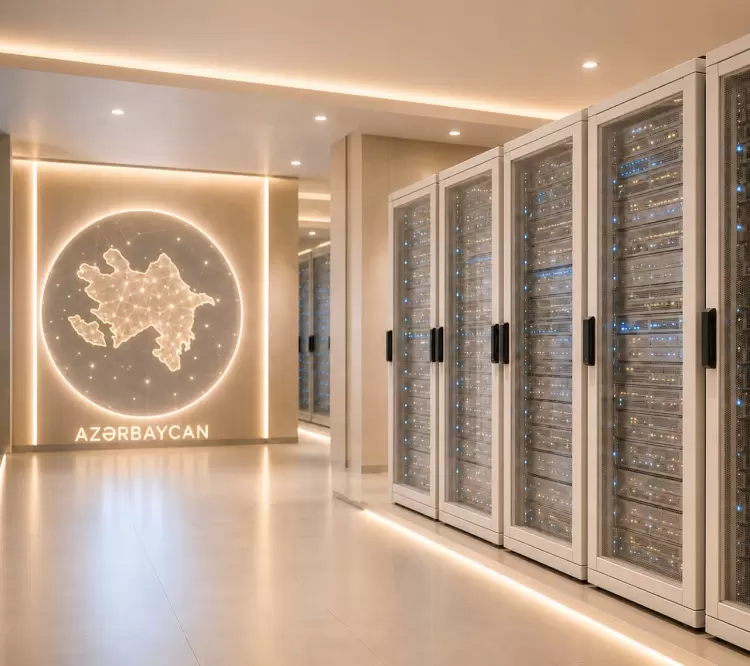
VIRTUAL SERVER RENTAL AZERBAIJAN
A managed cloud solution providing low-latency virtual server rental hosted in local Azerbaijan data centers.
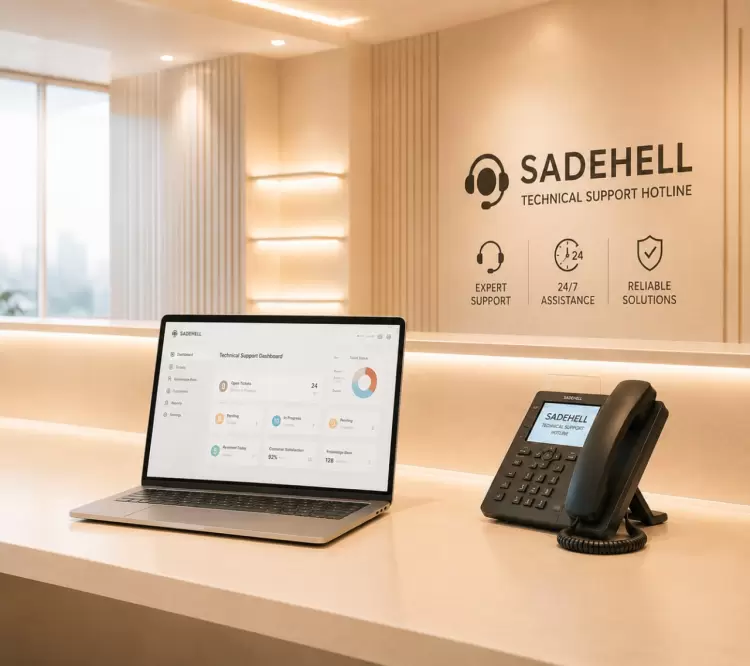
HOTLINE SUPPORT
A dedicated remote technical support service providing on-demand software guidance and operational helpdesk via AnyDesk.
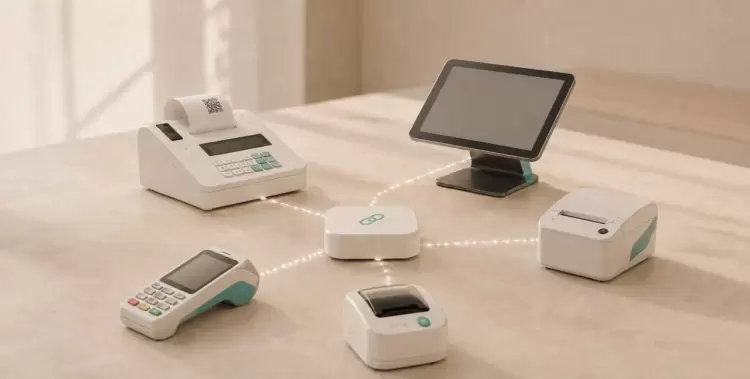
E-CASH REGISTER MODULE
A certified software module integrating 1C platforms with next-generation smart cash registers for instant receipt printing.